
Finding the perfect spot for your indoor plants can feel like a puzzle, especially when that one corner of your home just sits there, empty and awkward. This space often gets overlooked, but it holds so much potential for your plant collection. I created this post to help you see that potential! With a little creativity and a few DIY skills, you can transform those empty corners into thriving plant displays.
If you’re someone who loves gardening, whether you’re an experienced plant parent or just starting out, this guide is made for you. You might be searching for ways to enhance your indoor plant decor while saving space. I’ve gathered seven unique DIY corner indoor plant stands that are not just functional but also stylish. Each project is designed to fit snugly into your small spaces and turn those neglected corners into beautiful plant displays that will impress anyone who visits.
By the end of this post, you’ll have plenty of inspiration along with detailed steps to create these stunning plant stands. Whether you prefer a minimalist ladder look or a rustic pallet design, you’re sure to find something that fits your style. Let’s dive into the world of indoor gardening ideas that will make your home feel fresher and more inviting.
Key Takeaways
– Discover seven creative DIY corner plant stands that can transform empty spaces in your home into beautiful displays for your plants.
– Learn how to create a Minimalist Ladder Plant Stand that adds height and simplicity to your decor.
– Explore the Rustic Pallet Plant Stand, perfect for those who enjoy a warm, earthy aesthetic.
– Check out the Floating Shelf Plant Display to save floor space while showcasing your favorite plants.
– Get inspired by a Circular Plant Stand that adds a unique shape and style to your indoor gardening setup.
1. Minimalist Ladder Plant Stand
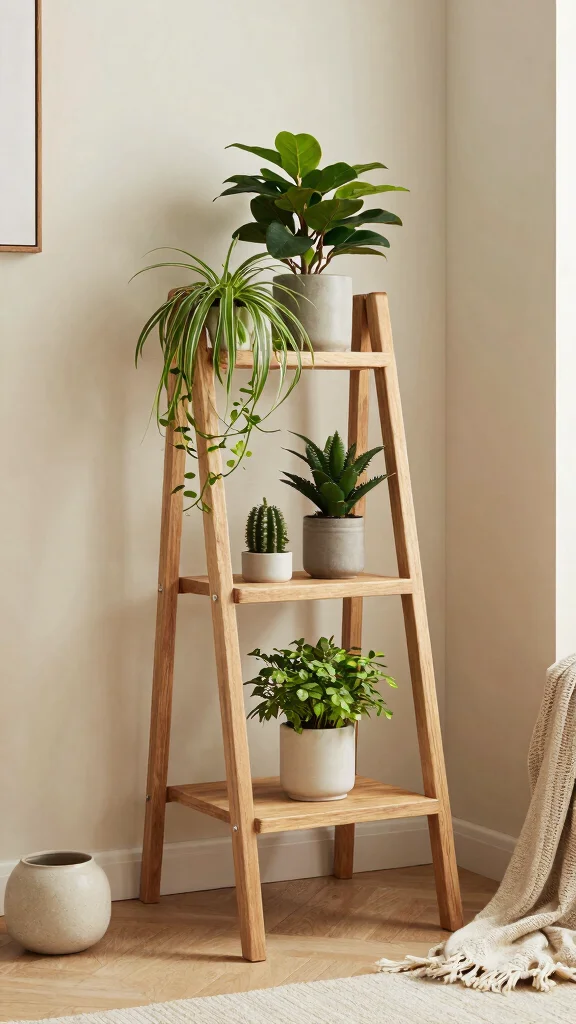
For those who admire a sleek and modern look, the minimalist ladder plant stand is an ideal choice. This design features simple wooden planks arranged in a ladder formation, offering a beautiful tiered display for your plants. It’s more than just a stand; it’s a functional art piece that brings vertical elegance to your space.
Its clean lines and open structure work wonderfully together, allowing light to filter through while showcasing your greenery. You can easily personalize it with your favorite colors or finishes to match your home decor.
Consider these tips to create your own minimalist ladder plant stand:
– Pair light-colored planks with a dark wood stain for contrast.
– Install it in a well-lit corner to enhance plant growth.
– Use a variety of pot sizes for an appealing tiered effect.
This stand beautifully elevates your plants while maintaining a fresh and airy vibe. Incorporating different textures and finishes can further enhance its aesthetic appeal.
Tiny spaces don’t have to feel crowded. With a diy corner plant stand indoor like this minimalist ladder, you gain vertical drama and easy light access. Start with two evenly spaced rungs, then layer lightweight greens for a stunning, editable display.
📹 Related Video: How to Build a DIY Ladder Shelf with Basic Tools and Materials
Minimalist Ladder Plant Stand
Editor’s Choice

Bamworld Plant Stand Indoor Plant Shelf Outdoor Wood Plant Rack for Mult…


Gepege 6 Inch Beaded Ceramic Planter Set of 2 with Drainage Hole and Sau…
2. Rustic Pallet Plant Stand

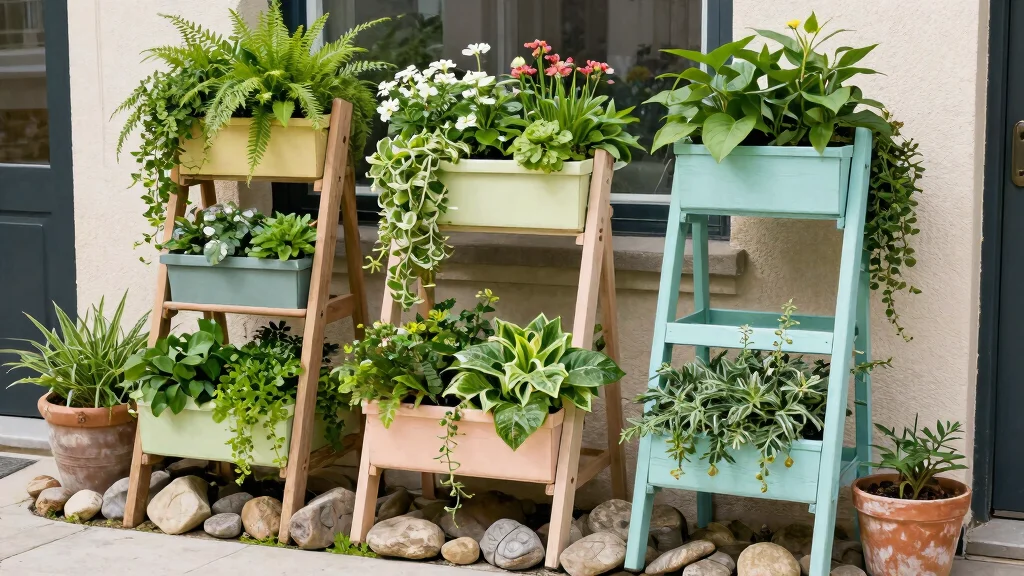
Embrace the charm of rustic decor with a DIY pallet plant stand. This cost-effective and eco-friendly option is perfect for those who appreciate a natural aesthetic. With pallets often available for free, this project is budget-friendly and sustainable, making it a great addition to your home.
This stand allows you to incorporate earthy textures and tones, enhancing the warmth of your indoor garden. You can easily customize it to fit your style by painting or sealing the wood.
Here’s how to create your rustic pallet plant stand:
– Select a sturdy pallet in good condition.
– Sand the surface to remove any rough edges.
– Use wood sealant to protect it for indoor use.
This stand not only showcases your plants beautifully but also adds a unique touch to your decor. Personalize it with decorative stones or fairy lights for a cozy ambiance.
Fun fact: pallets are often free or very cheap, making a DIY pallet plant stand a budget-friendly upgrade. A typical project costs under $15 and adds earthy texture to any indoor corner.
Rustic Pallet Plant Stand
Editor’s Choice

Treaton, Heavy-Duty 4-Way Entry Wooden Pallet – 40x36x5”, Industrial…
Garden Box Sealer | FDA Food Contact Safe Plant-Based Wood Sealant for R…
3. Floating Shelf Plant Display

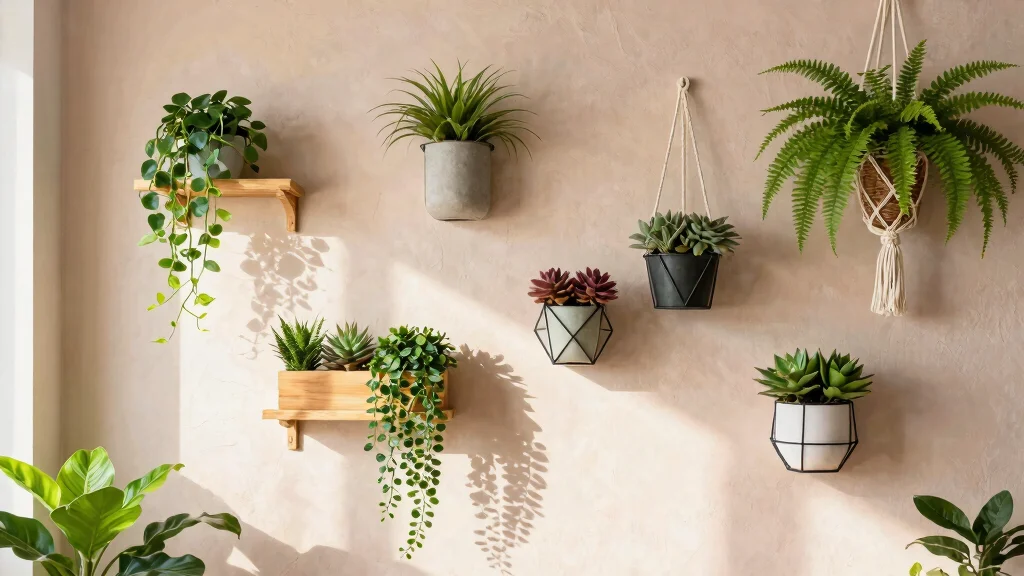
If you’re short on floor space, floating shelves offer a chic solution for displaying your plants. This design utilizes vertical wall space beautifully, allowing for a captivating plant arrangement without consuming precious ground area. By positioning shelves at varying heights, you create an engaging and dynamic look.
This method not only maximizes your space but also transforms your corner into a stunning green oasis. Incorporating trailing plants adds a cascading effect that enhances the visual appeal.
To achieve a stylish floating shelf plant display:
– Install shelves at different heights for variety.
– Use brackets that match your decor style.
– Arrange plants with varying heights for depth.
This display adds both charm and functionality to your space. Mixing decorative pots with plants creates a curated look that elevates your indoor garden aesthetic.
Floating shelves turn tight corners into lush, practical art. Stack plants at varying heights and let trailing vines cascade—no floor space wasted. This diy corner plant stand indoor approach is quick, affordable, and totally transformative.
Floating Shelf Plant Display
Editor’s Choice

Rotating Window Wall Plant Shelves Stand Holder, 3 Tiered Metal Floating…
4. Multi-Tiered Plant Stand
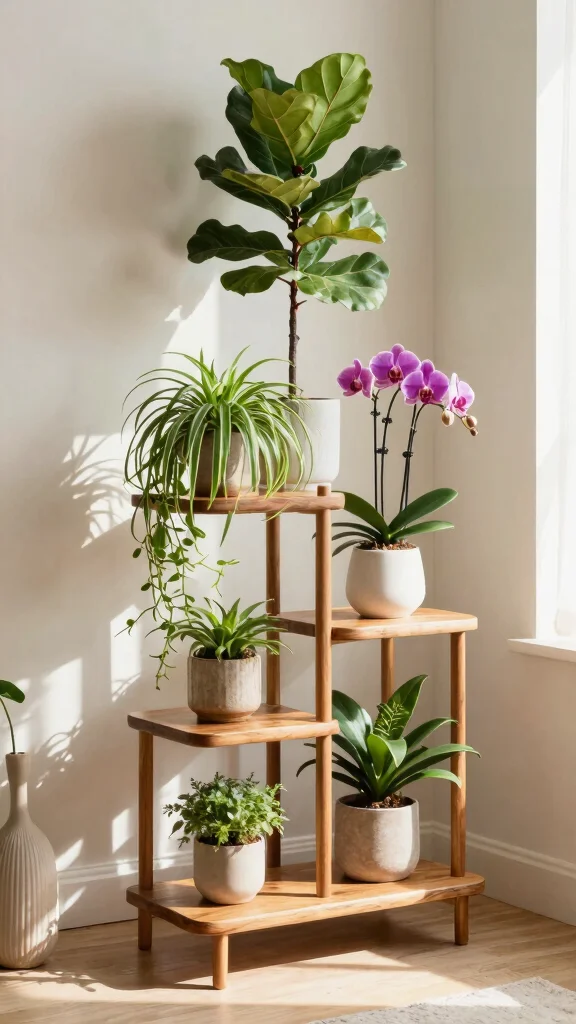
For avid plant lovers, a multi-tiered plant stand is the perfect project to showcase your collection. This DIY solution allows you to create a dedicated area for your plants while seamlessly fitting into an empty corner. Its tiered design provides ample space for a variety of plants, making it both practical and attractive.
With careful planning, you can make this stand a standout feature in your home. Mixing plant heights and colors adds vibrancy to your space, creating a lively focal point.
To build your own multi-tiered plant stand:
– Decide on the number of tiers and cut boards accordingly.
– Securely assemble using brackets for stability.
– Finish with paint or stain for a polished appearance.
This stand not only organizes your plants but also transforms them into a stunning display. Incorporating decorative pots can further enhance the overall aesthetic and add personality.
You might also like
Multi-Tiered Plant Stand
Editor’s Choice
Bamworld Plant Stand Indoor Plant Shelf Outdoor Wood Plant Rack for Mult…

Utopia Home Plant Pots Indoor with Drainage Holes – Set of 5 White Pla…
5. Circular Plant Stand

Add a playful element to your decor with a circular plant stand. This unique design allows for a 360-degree view of your plants while taking up minimal floor space. The soft curves of a circular stand contrast beautifully with the sharp lines often found in modern interiors, adding a touch of whimsy.
This stand is perfect for showcasing smaller plants or succulents, allowing them to thrive in a well-lit area. The circular design encourages creativity in your plant arrangements.
Here’s how to create a circular plant stand:
– Cut circular bases from plywood for stability.
– Use sturdy dowels or rods for support.
– Finish with paint or sealant for protection.
This stand encourages you to display your plants from every angle. Adding decorative stones or small figurines can enhance its charm and make it a true statement piece.
Difficulty Rating & Requirements
Overall Difficulty Rating: Medium
Creating a DIY corner plant stand is rated as medium difficulty. This project is suitable for those with basic crafting skills and some familiarity with using tools. While you don’t need to be a professional carpenter, a little patience and attention to detail will make a significant difference in the outcome.
Time Estimate:
⏱ Estimated time: 4-8 hours depending on the design you choose and your DIY experience. Here’s a breakdown of the time for major phases:
– Planning and Design: 1-2 hours for sketching the layout and gathering materials.
– Material Preparation: 1-2 hours for cutting, sanding, and pre-assembling parts.
– Assembly: 2-4 hours, depending on complexity and drying times for paint or glue.
Skill Requirements:
– Required skills: Basic woodworking, measuring, cutting, and assembly skills.
– Beginner-friendly: Yes, with guidance. You can learn essential skills through tutorials and hands-on practice.
– Skills that can be learned include measuring and cutting wood accurately, while those requiring experience are advanced woodworking joints and finish detail work.
Tools & Materials Needed:
🧰 Essential items checklist:
– Wood or Pallets: Required for the main structure.
– Saw (hand saw or circular saw): Required for cutting the wood.
– Drill and drill bits: Required for assembling and creating holes for screws.
– Sandpaper: Required for smoothing edges and surfaces.
– Paint or wood stain: Optional for finishing your stand.
– Screws or nails: Required for assembly.
– Level: Optional but helpful to ensure your stand is even.
– Measuring tape: Required for accurate measurements.
Step-by-Step Overview:
1. Planning and Design (1-2 hours): Sketch your corner stand design and gather materials. Think about the dimensions based on your space.
2. Material Preparation (1-2 hours): Cut your wood to the desired lengths based on your design. Sand all edges and surfaces for a smooth finish. If you’re using pallets, remove any nails and clean them.
3. Assembly (2-4 hours): Begin assembling your corner stand according to your design. Use screws or nails for stability. Make sure to check for levelness during assembly.
4. Finishing Touches (1-2 hours): If desired, paint or stain your plant stand for aesthetics. Allow time for drying before placing plants on it.
Professional vs DIY:
Cost Comparison: Hiring a professional carpenter can range from $200 to $600, depending on materials and design complexity. In contrast, creating your own DIY corner plant stand can cost between $50 to $150 for materials, giving you an impressive savings. If you enjoy hands-on projects and have the time, DIY is a rewarding option. However, if you prefer a polished result and lack time, hiring a professional may be the way to go.
Circular Plant Stand
Editor’s Choice

3 Tier Plant Stand Semi-Circular Flower Pot Organizer Rack Quarter Round…

Cute Ceramic Succulent Garden Pots, Planter with Drainage and Attached S…
6. Industrial Pipe Plant Stand

For those drawn to a modern, industrial aesthetic, a plant stand made from pipes offers an edgy and stylish solution. This DIY project not only provides a unique look but also ensures durability and stability. The combination of metal pipes and wooden shelves creates a striking contrast that complements contemporary interiors.
This design allows you to showcase a variety of plants, making it a conversation starter in your home. The raw materials lend character and an urban vibe to your decor.
To craft an industrial pipe plant stand:
– Measure and cut pipes for your desired height.
– Assemble the frame using fittings for stability.
– Secure wooden shelves at varying heights.
This stand beautifully displays your greenery while adding modern flair. Incorporating LED lights can enhance the ambiance and highlight your plants even more.
You Might Also Like
Industrial Pipe Plant Stand
Editor’s Choice
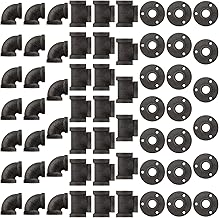
60 Pack 3/4 Inch Cast Iron Pipe Fittings (20 Elbows, 20 Tees, 20Flange),…

AZSKY Picture Ledge Shelf, Small Floating Shelves Set of 2, 16 Inches Nu…

Giraffe Creation 10-Inch Round Cylinder Plant Pot, Modern Indoor/Outdoor…
7. Bookcase Plant Stand
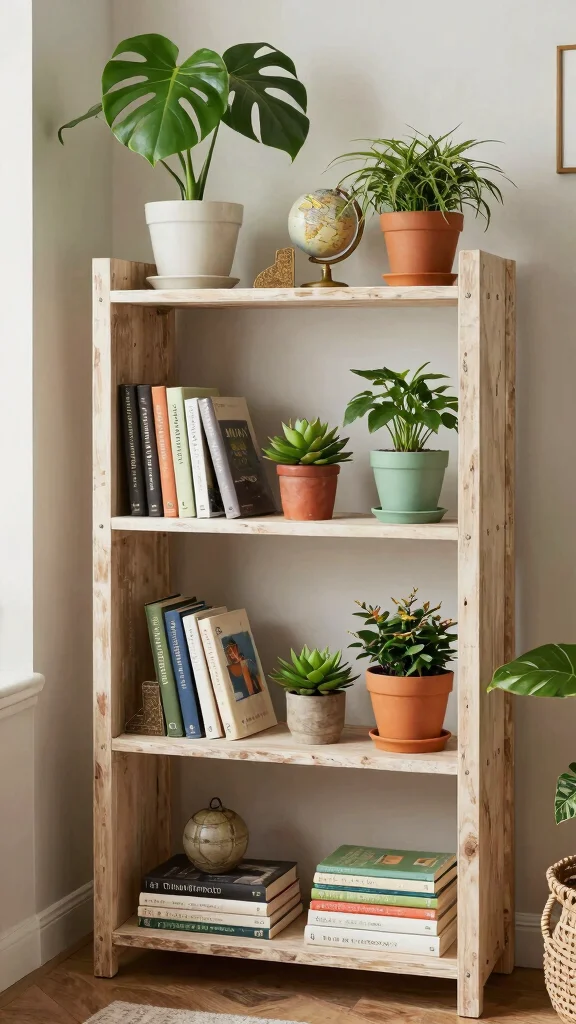
Transform an ordinary bookcase into a stunning plant display! This multifunctional piece allows you to showcase your indoor plants alongside your favorite books and decorative items, making it a practical addition to any room. It’s an excellent way to blend your love for reading and gardening.
With a few simple updates, you’ll create a stylish and inviting space that feels curated. Mixing plant heights and decorative elements adds visual interest and keeps the arrangement balanced.
To revamp your bookcase for plants:
– Give it a fresh coat of paint or stain.
– Organize books and items while leaving space for plants.
– Use trailing plants on top shelves for a cascading effect.
This stand can become the focal point of your living area. Personalizing it with decorative bookends or sculptures creates a cohesive and inviting atmosphere.
Bookcase Plant Stand
Editor’s Choice

AZERPIAN Plant Stand 5 Tier Indoor Metal Flower Shelf for Multiple Plant…

Garden Elements Indoor/Outdoor Glazed Brushed Happy Plastic Planter, Lar…

MaxGear Book Ends Tree Design Modern Bookends for Shelves, Non-Skid Book…
Conclusion

Transforming those empty corners of your home into vibrant spaces with these DIY corner plant stands is not just practical, it’s also a fun way to express your creativity! Each stand not only serves as a home for your plants but also adds to the overall aesthetic of your space, making it feel more alive. Whether you choose a rustic pallet display or a sleek minimalist ladder, the right plant stand can elevate your indoor gardening game.
Now that you’ve got some inspiring ideas, it’s time to roll up your sleeves and get to work. Your plants are waiting for their new stylish homes!
Happy gardening!
Note: We aim to provide accurate product links, but some may occasionally expire or become unavailable. If this happens, please search directly on Amazon for the product or a suitable alternative.
This post contains Amazon affiliate links, meaning we may earn a small commission if you purchase through our links, at no extra cost to you.
Frequently Asked Questions
How can I create a diy corner plant stand indoor setup for a small space?
Great question! To kick off your diy corner plant stand indoor setup, pick a compact design from the 7 options in the article and gather simple materials like wooden boards or metal pipes, screws, a drill, sandpaper, and plant-friendly pots with drainage. Build a sturdy base, smooth all edges, and seal the wood to withstand indoor humidity. Place the stand in a bright corner near a window and arrange plants by height to create a dynamic corner plant display that doubles as indoor plant decor.
Pro tip: start with three plants at varying heights and add a trailing plant on the top tier for fullness.
What materials work best for space-saving plant stands in corners?
For space-saving plant stands in corners, go with materials that are sturdy yet slim. Wood gives warmth and versatility, metal frames keep footprints small, and bamboo is light and moisture resistant. A ladder-style or tiered stand helps you display multiple plants without crowding. Always use a drainage tray and seal any wood to prevent warping from indoor humidity. Measure your corner before buying so you aim for a stand that leaves airflow and at least 2–3 inches around for accessibility. This fits well with indoor gardening ideas and indoor plant decor.
How should I arrange plants on a corner plant display to maximize light and style?
Start with the tallest plant in the back (or back center), medium-height plants in the middle, and trailing or cascading plants on the top tier. This creates depth and ensures light reaches lower leaves. Mix textures and colors to boost indoor plant decor and use indoor gardening ideas like variegated foliage and pothos vines. Rotate plants every few weeks to keep growth balanced, and avoid placing sun-sensitive varieties in harsh direct sun.
Are these diy corner plant stands suitable for humid rooms like bathrooms or kitchens?
Yes, many designs work in humid spaces if you choose moisture-friendly materials and finishes. Avoid raw wood in bathrooms; seal wood with a water-resistant finish and consider metal or plastic components near water sources. Use drainage trays and keep plants that tolerate humidity, like ferns or pothos. This approach aligns with DIY home gardening and indoor gardening ideas for practical, durable corner displays.
What tools and steps do I need to build a simple diy corner plant stand indoors?
Tools you’ll likely need include a measuring tape, saw or miter box, power drill, screwdriver, sandpaper, clamps, and a level. Materials can be wood boards or metal pipes, screws, brackets, and a finish or paint. Steps: measure your corner and decide on the height and number of tiers, cut pieces to size, assemble the frame with screws and brackets, sand and finish, add a drainage-friendly tray, and load with plants. This is a practical way to tackle diy corner plant stand indoor projects and explore space-saving plant stands in action.
Related Topics
diy corner plant stand
indoor plant decor
space-saving designs
small space gardening
corner plant display
home gardening
easy DIY
plant stand ideas
vertical gardening
beginner friendly
modern decor
budget friendly