
Are you ready to bring some creativity to your garden without breaking the bank? Urban gardening has gained a lot of popularity, especially for those of us in smaller spaces. Cinder block planters are a fantastic way to combine practicality with artistic flair. I created this post because I believe that everyone deserves a beautiful garden, regardless of their budget or space constraints.
If you’re someone who loves gardening but struggles with high costs or limited options, then this guide is tailored just for you. With cinder blocks, you can create unique and personalized planters that stand out. You’ll discover eight different designs that are not only inexpensive but also surprisingly cool. From vertical gardens to playful seating, there’s something here for every gardening enthusiast.
In this post, you’ll get practical ideas that empower you to transform simple materials into eye-catching planters. Whether you’re a first-time gardener or a seasoned pro, you’ll find inspiration that fits your style and space. Let’s dive into these creative cinder block planter ideas and see how they can elevate your gardening game!
Key Takeaways
– Affordable Options: Cinder blocks provide a low-cost solution for creating unique garden designs that suit any budget.
– Creative Designs: Explore eight innovative planter ideas, ranging from vertical gardens to herb spirals, that maximize space and enhance aesthetics.
– DIY Friendly: These projects are perfect for DIY enthusiasts, allowing you to customize your garden easily using recycled materials.
– Versatile Uses: Cinder block planters are suitable for various plants, from herbs and succulents to flowers and vegetables, making them highly versatile.
– Urban Gardening Tips: Gain valuable insights on how to make the most of your outdoor space, regardless of size, using practical gardening techniques.
1. Vertical Garden Delight
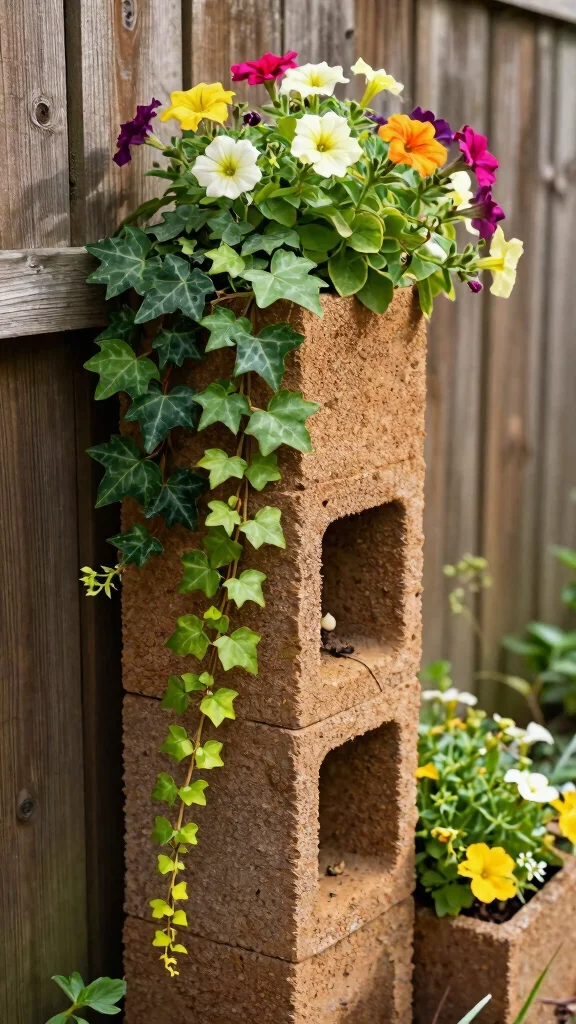
If you’re looking to maximize your space while adding charm to your outdoor area, a vertical garden made from cinder blocks is your answer. It transforms bare walls or fences into vibrant green displays, making any area feel alive. By stacking the blocks in a staggered arrangement, you can fill each opening with soil and your favorite plants for a striking effect.
Opt for trailing plants like ivy or colorful petunias that gracefully drape down, creating a lush wall of greenery. Mixing in herbs, flowers, and succulents will give you a delightful variety of colors and textures.
Key tips to consider:
– Choose a mix of potting soil and compost for thriving plants.
– Securely fix the blocks to prevent any accidents.
– Incorporate drip irrigation for hassle-free watering.
With this vertical garden, you’ll not only save space but also create a stunning focal point that breathes life into your outdoor setting.
Vertical Garden Delight
Editor’s Choice

English Ivy Plants, 2 Inch Pots, Set of 8, Live Indoor House Plants


Burpee, 9 Quarts | Premium Organic Potting Natural Soil Mix Food Ideal f…

General Jim’s Flowering Tree Garden Plants Set of 9 Colorful Modular Bui…
2. Herb Spiral Magic

Imagine a charming spiral of herbs that not only looks amazing but also maximizes your garden’s potential. Building an herb spiral with cinder blocks allows you to cultivate a variety of herbs while catering to their specific sunlight and drainage needs.
Start by stacking the blocks in a spiral formation, gradually increasing the height on one side. Fill in the spiral with soil and plant aromatic herbs like basil, cilantro, and rosemary, ensuring that the taller plants get plenty of sun while the lower ones stay moist.
Consider these pointers:
– Use organic soil and healthy seedlings for robust growth.
– Group herbs with similar watering needs for optimal results.
– Add decorative stones or mulch for a polished appearance.
This spiral design serves a functional purpose while becoming a beautiful centerpiece in your garden.
Herb spirals with cinder blocks turn tiny balconies into thriving green spots. Stack the blocks in a gentle spiral, then plant sun-loving basil on the top and cilantro below—better drainage and happy herbs in one compact cinder block planter.
Herb Spiral Magic
Editor’s Choice

HOME GROWN Herb Seeds for Planting 15-Pack Massive Seed Count 4,300+ See…
BTSD-home Adjustable Bed Risers 3 or 6 Inch – Heavy Duty Furniture Lifte…
Burpee, 9 Quarts | Premium Organic Potting Natural Soil Mix Food Ideal f…
3. Succulent Paradise

Looking for a low-maintenance garden that dazzles? Cinder blocks are perfect for creating a stunning succulent garden. Arrange the blocks in a square or rectangular layout, filling each hole with a different succulent variety for a striking visual effect.
The porous nature of cinder blocks provides excellent drainage, essential for succulents. Mix sun-loving and partial shade varieties to ensure a balanced display that thrives in your garden.
Helpful hints for success:
– Top the soil with stones or gravel for a clean finish.
– Choose colorful, three-dimensional succulents for added texture.
– Water sparingly; succulents prefer dryer conditions.
This unique garden will surely become a captivating centerpiece in your outdoor space.
Succulent Paradise
Editor’s Choice
Altman Plants, Live Succulent Plants (20 Pack) Assorted Potted Succulent…
4. Edible Garden Boxes

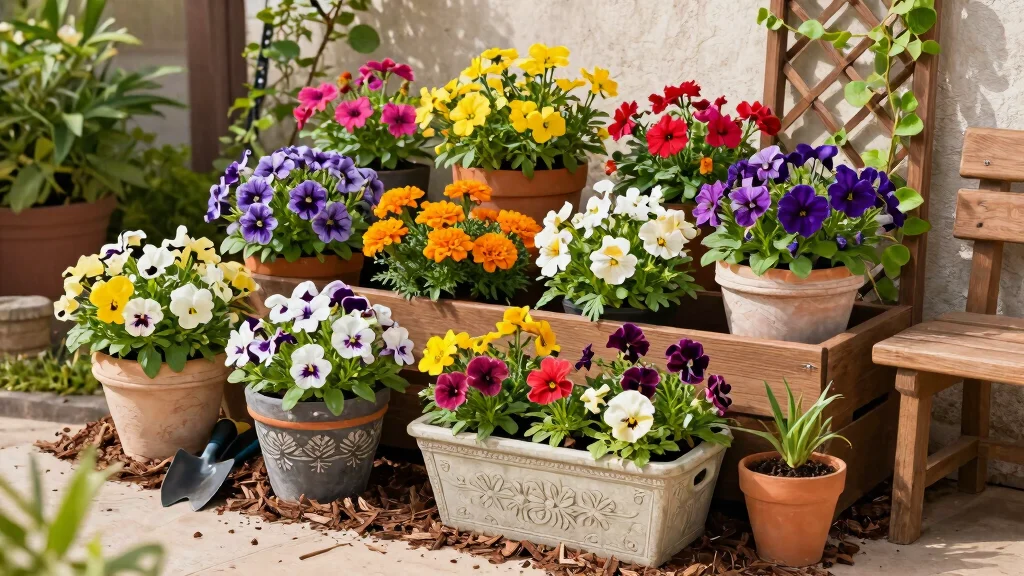
Imagine growing your own vegetables in creatively stacked cinder block garden boxes. This approach elevates your planting area, making it easier to tend to your crops while adding visual interest.
Fill these boxes with nutrient-rich soil and plant a variety of crops, such as tomatoes, peppers, and leafy greens. This raised design improves drainage and keeps pests at bay, ensuring healthier plants.
Effective tips for your garden:
– Line the bottom with landscape fabric to inhibit weeds.
– Enrich the soil with organic fertilizers and compost.
– Position the boxes in a sunlit area for optimal growth.
By incorporating raised garden boxes, you’ll enhance your gardening potential while adding a charming element to your outdoor area.
📹 Related Video: Cinder Block Vegetable Garden: Christine and Richard Alcorta | Central Texas Gardener
You might also like
Edible Garden Boxes
Editor’s Choice
Burpee, 9 Quarts | Premium Organic Potting Natural Soil Mix Food Ideal f…
5. Colorful Mosaic Planters
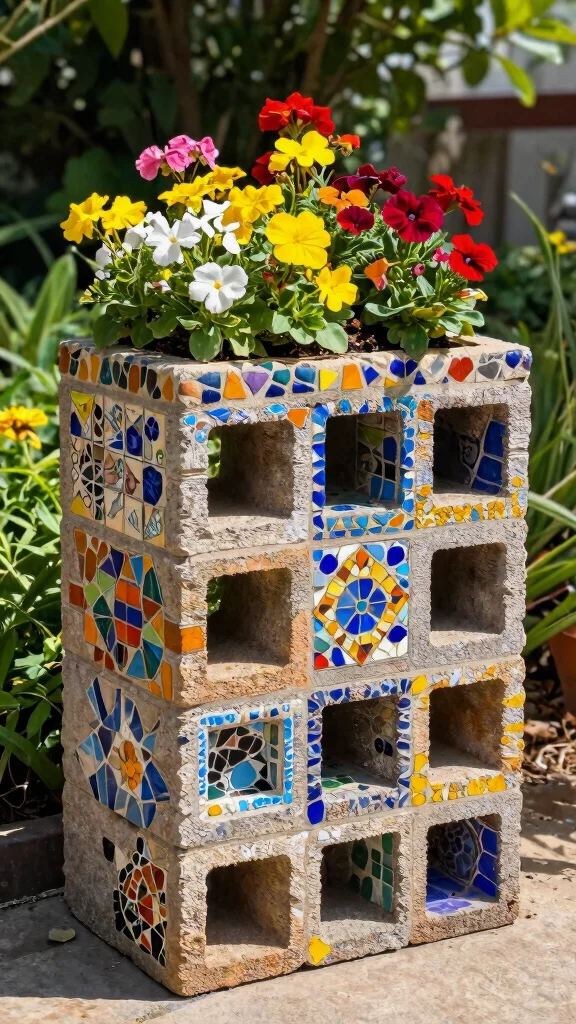
Want to add a splash of creativity to your garden? Turn your cinder block planters into colorful mosaic art pieces! Use paint, tiles, or broken pottery to decorate the blocks. This DIY project not only recycles materials but also allows you to express your personal style.
Create fun patterns or whimsical designs that reflect your personality, and involve friends and family for a memorable experience.
Creative suggestions include:
– Opt for outdoor-rated paints for durability.
– Mix and match tile colors for a vibrant display.
– Apply a sealant to protect your designs from the elements.
These mosaic planters will not only house your plants but also become striking art pieces in your garden.
Turn your cinder block planter into a colorful mosaic and watch your garden come alive. With outdoor-rated paints, tiles, or broken pottery, you can craft patterns that reflect your style—and invite friends to join the creative project.
Colorful Mosaic Planters
Editor’s Choice

Heavy Duty Construction Adhesive, 10.5 oz Waterproof Tile Adhesive, Vers…

Brady MC-1500-595-BL-WT Vinyl B-595 White on Blue Label Maker Cartridge,…

Artspac Ceramic Mosaic Tiles Bulk, 1 Pound Broken Mosaic Tiles for Craft…
6. Simple Flower Beds
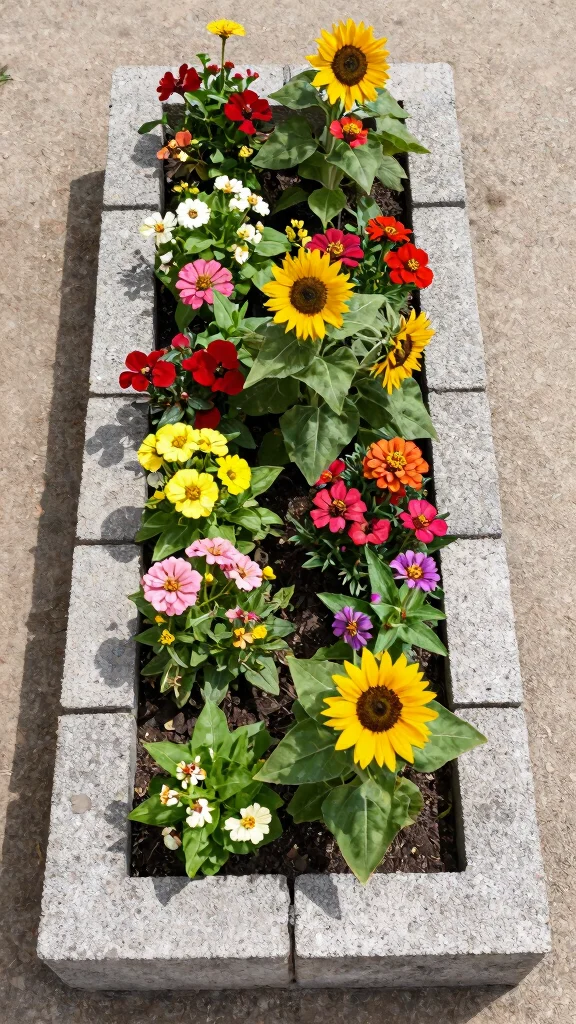
If you appreciate simplicity, cinder blocks can help you create beautiful flower beds. By arranging the blocks to form a border around your garden, you achieve a clean and structured look while keeping weeds at bay.
Fill the interior with rich soil and plant a mix of seasonal flowers for year-round blooms. Consider tall sunflowers or zinnias for height and vibrant color contrast.
Gardening tips to keep in mind:
– Select flowers that thrive in your climate for best results.
– Add mulch around plants to retain moisture and suppress weeds.
– Use complementary colors for a stunning display.
This straightforward method enhances your garden design while making maintenance easy.
Simple Flower Beds
Editor’s Choice

HOME GROWN Zinnia Dahlia Seeds Pack for 2026 Non GMO 524 Flower Seeds | …

Espoma Organic Vegetable & Flower Garden Soil Natural and Organic in Gro…
60Pcs Mini Bricks for Crafts 1/12 Scale Cinder Blocks Miniature potter’s…
7. Playful Garden Seats
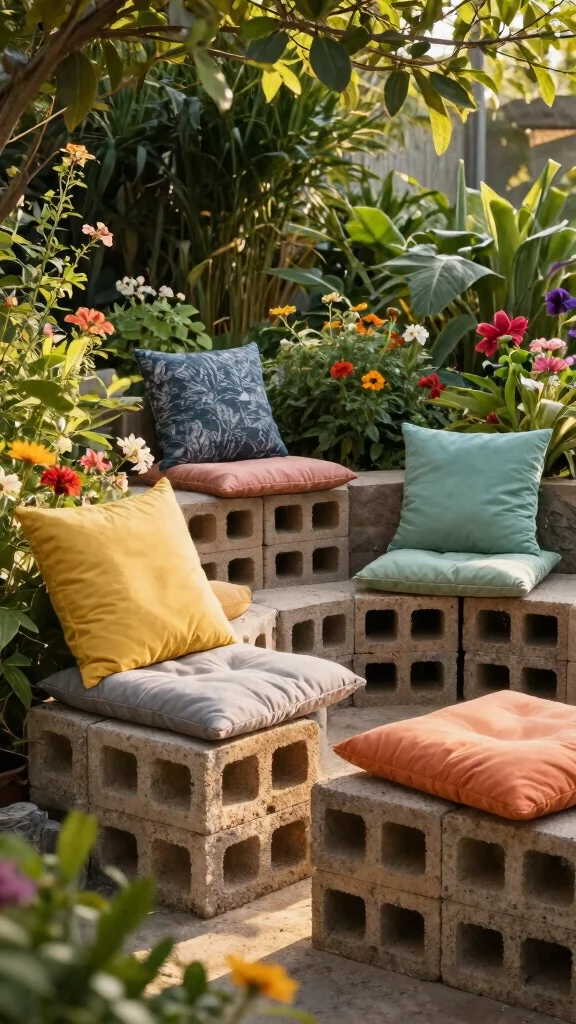
Why limit cinder blocks to plants? Transform them into fun and functional garden seating! Stack the blocks to create low seating areas where you can relax and enjoy your garden.
This unique approach not only provides seating but also adds an industrial chic vibe to your outdoor space. Consider using colorful cushions for added comfort and style.
Seating suggestions to enhance your setup:
– Ensure stable arrangements for safety.
– Mix and match block colors for an artistic flair.
– Pair with small outdoor tables for a complete seating area.
These seating arrangements will not only serve as conversation starters but also enhance the functionality of your garden.
Fun fact: Six cinder blocks can form a sturdy 18-inch seat for two, turning your garden into a hangout on a budget. Stack, cushion, and customize with color for an industrial chic vibe you’ll actually use.
You Might Also Like

How To Choose The Right Cinder Block Planter
Choosing the right cinder block planter for your urban garden can seem daunting, but it doesn’t have to be. With the right information, you can easily select a planter that suits your space and gardening needs. Here are some crucial factors to consider:
1. Size
The size of your cinder block planter is essential. Think about the space you have available and how many plants you wish to grow. A larger planter can hold more soil and retain moisture better, making it ideal for bigger plants. If you’re limited on space, consider vertical planters or smaller designs that can fit snugly against walls or fences. Measure your area and visualize how the planter will look in your garden before making a decision.
2. Material
Cinder blocks are typically made from concrete, which is sturdy and durable. However, consider the finish of the blocks. Some are smooth, while others have a rough texture. Choose a finish that fits your aesthetic. Also, think about whether you want to paint or decorate your blocks. Using non-toxic paint can add a personal touch and help protect the concrete from weather damage.
3. Drainage
Proper drainage is vital for plant health. Make sure the cinder block planter has sufficient drainage holes at the bottom. If it doesn’t, you can drill holes yourself to prevent water from pooling and causing root rot. Additionally, consider placing stones or gravel at the bottom of the planter to enhance drainage further. This simple step can save your plants from drowning in excess water.
4. Design and Style
The design of your cinder block planter should align with your garden’s overall theme. You can choose from various creative designs, such as vertical gardens, herb spirals, or even colorful mosaic planters. Think about the type of plants you want to grow and how they will look together. A well-designed planter not only serves a functional purpose but also enhances the beauty of your outdoor space.
5. Budget
Cinder block planters are generally affordable, but costs can add up if you’re making multiple planters or incorporating additional materials. Determine your budget before starting your project. You can often find cinder blocks at local hardware stores, home improvement centers, or even through online marketplaces. Keep an eye out for sales or bulk discounts to save money on your DIY garden projects.
6. Mobility
Consider how mobile you want your planter to be. Large, heavy cinder block planters may be difficult to move once filled with soil. If you think you might want to rearrange your garden layout, consider building planters that are smaller and lighter. You can also use wheels or create a movable base for heavier planters, allowing you to adjust their position easily when needed.
Pro Tip:
Before you start building your cinder block planter, sketch out your design. This will help you visualize the final product and ensure you have all the materials you need. Plus, it will make the construction process much smoother. Happy gardening! 🌱
Playful Garden Seats
Editor’s Choice

findmall 1 x 2 x 3 Inch Blocks Matched Pair No Holes Hardened Steel Accu…

Ashler Outdoor Pillows, 18 x 18 Pillow Inserts Set of 4, Waterproof Thro…

Set of 2 Outdoor Dining Chair Cushions, Patio Seating Cushions, 38x18x4….
8. Water Feature Fun

Looking to add tranquility to your garden? Create a unique water feature using cinder blocks! Construct a small fountain or pond by arranging blocks to form the base. This addition brings soothing sounds and attracts wildlife, enriching your garden’s ecosystem.
Fill the bottom with rocks for drainage and incorporate a small pump to keep the water flowing. Choose moisture-loving plants like ferns or water lilies to complete the look.
Design tips for your water feature:
– Ensure a power source for the pump.
– Surround the area with stones or pebbles for a natural feel.
– Consider adding lighting for a magical nighttime ambiance.
This creative water feature will enhance the beauty and serenity of your urban garden.
Water Feature Fun
Editor’s Choice

Set of 6 Fountain Pump Mini Small Water for Aquarium 50GPH 3W Submersibl…

Homedics Tabletop Water Fountain, 3 Tier Indoor Waterfall Fountain with …

Pulovin 2.5 lbs Drainage Rocks for Potted Plants, 1/5 Inch Small Pebbles…
Conclusion
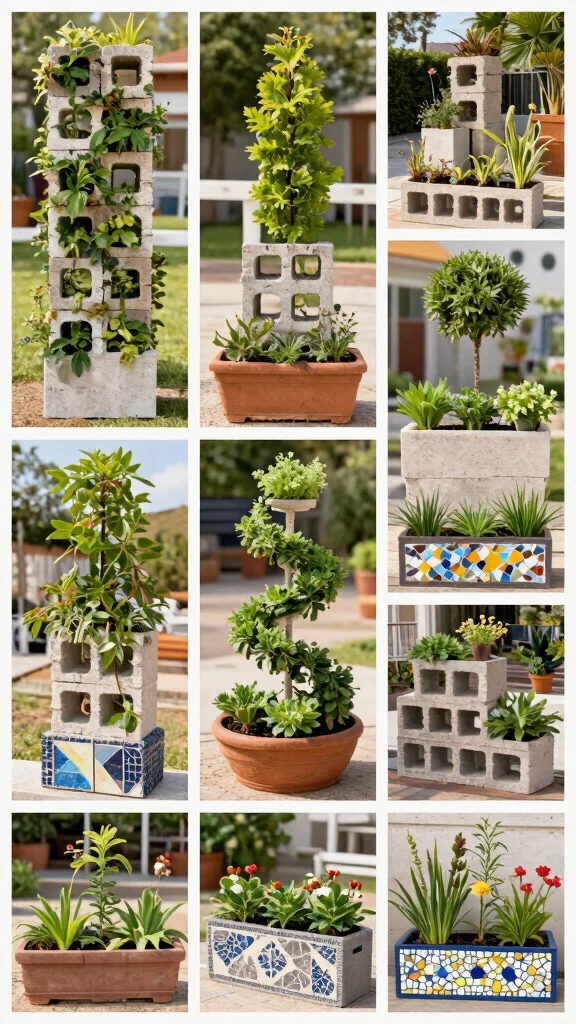
Cinder block planters offer a myriad of possibilities for urban gardening, blending creativity with functionality. From vertical gardens to colorful mosaic designs, there’s a project for everyone looking to enhance their outdoor space without spending a fortune.
So grab those cinder blocks, unleash your imagination, and transform your urban environment into a gardening paradise!
Note: We aim to provide accurate product links, but some may occasionally expire or become unavailable. If this happens, please search directly on Amazon for the product or a suitable alternative.
This post contains Amazon affiliate links, meaning we may earn a small commission if you purchase through our links, at no extra cost to you.
Frequently Asked Questions
Question: How can I build an affordable cinder block planter for urban gardening?
Answer: Building an affordable cinder block planter for urban gardening is easier than you might think. Start with a simple plan: decide the size, then lay out blocks in a rectangle or U-shape to form walls. For the interior, line with heavy-duty landscape fabric to keep soil contained and help with drainage. Optional: drill a few small drainage holes in the bottom row blocks or add a shallow layer of gravel at the bottom. Stack the blocks, staggering joints for strength, and cap with a row of blocks or a wooden plank edge for a clean finish. Fill with a well-draining mix (a blend of topsoil, compost, and perlite or coconut coir), plant your vegetables or herbs, and water as needed. This is classic DIY garden projects that doubles as affordable gardening ideas and yields a sturdy, customizable cinder block planter. If you want color or texture, you can paint the blocks or top with mulch for an creative planter designs touch.
Tip: place planters in a sunny spot for sun-loving herbs or peppers, or use a shaded arrangement for leafy greens and outdoor gardening tips.
Question: What plants work best in a cinder block planter for urban gardening?
Answer: For a cinder block planter setup in urban spaces, pick plants that fit your light and space. In full sun, try herbs (basil, thyme, chives), compact peppers, dwarf tomatoes, or salad greens (lettuce, arugula). In partial shade, choose leafy greens (spinach), kale, or nasturtiums for color. Upright plants can grow in taller stacks, while trailing vines (ivy, sweet alyssum) spill over edges. For a creative planter designs look, mix edible crops with compact ornamentals. Remember to use a well-draining mix and ensure drainage so roots stay happy. This is a great fit for recycled materials gardening since you’re repurposing blocks while keeping a low cost.
Pro tip: rotate crops seasonally and group by sun needs to maximize your outdoor gardening tips.
Question: How do I ensure drainage and soil health in a cinder block planter?
Answer: Drainage is key for long-lasting planters. Start with a sturdy base and add a layer of gravel or broken terracotta at the bottom, then install a piece of landscape fabric to prevent soil from washing away. Drill a few drainage holes in the bottom blocks if needed, but avoid overdoing it. Use a well-draining potting mix (chunky compost, perlite, and local soil) to support root health. Fill partially, plant, then top with mulch. This approach fits outdoor gardening tips and keeps cinder block planter thriving in heat and rain.
Keep an eye on soil moisture; water deeply but infrequently to mimic natural drainage. If you’re in a windy or hot area, a little extra mulch can help conserve moisture.
Question: What are budget-friendly design ideas to customize a cinder block planter?
Answer: There are lots of DIY garden projects you can do on a budget. Paint the blocks in a bold color or create a geometric pattern for a creative planter designs vibe. Stack blocks in different heights to make a mini retaining wall or vertical garden, then insert pockets of soil into exposed block openings for herbs. Use reclaimed wood caps or repurposed metal shelving to create a top surface. You can also integrate repurposed containers or planters into the hollow cores for extra soil and plant variety—perfect for recycled materials gardening. This approach is a great example of affordable gardening ideas that still looks polished and urban-ready.
Tip: start with a small, modular setup you can expand later.
Question: What maintenance tips help my cinder block planters stay durable in outdoor spaces?
Answer: To keep your cinder block planters looking good and lasting years, seal the blocks with an exterior-grade sealant or outdoor paint to guard against rain and sun. Check for cracks after heavy freezes and repair with mortar if needed. Use good drainage and avoid waterlogging; mulching the top helps. Clean away algae with a soft brush. If possible, cover or relocate planters during extreme weather and consider seasonal rearrangements to keep them looking fresh. This is part of smart outdoor gardening tips and keeps recycled materials gardening looking cool and functional in urban spaces.