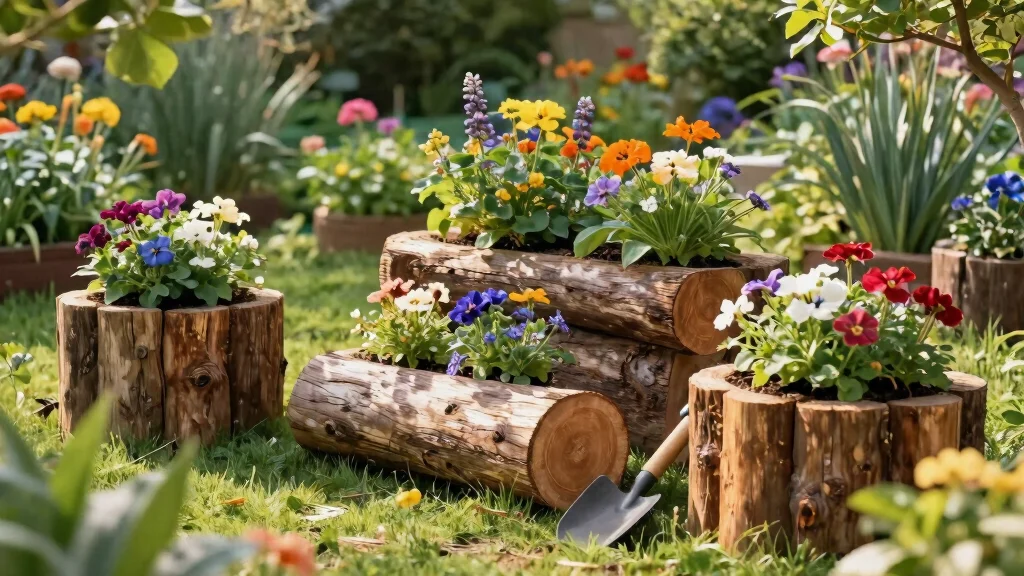
Creating beautiful garden spaces can often feel overwhelming, especially if you’re trying to keep it sustainable and unique. This quest for inspiration has led me to explore the world of log planters—charming, rustic pieces made from old wood that can transform your outdoor area into a stunning focal point. If you’re into sustainable gardening decor, this post will resonate with you. You’ll discover how to turn discarded wood into beautiful planters that not only serve a purpose but also add character and warmth to your garden.
Whether you’re an experienced gardener or just starting, you’ll find this collection of log planter ideas ideal for enhancing your outdoor space. From stacked log planter towers to whimsical fairy garden planters, each idea promises to inspire creativity while promoting eco-friendly practices. I’ve gathered ten unique concepts that are not only visually appealing but also practical, helping you to elevate your garden style while being kind to the environment. Let’s dive in and turn that old wood into something magical!
Key Takeaways
– Explore diverse log planter ideas that utilize old wood creatively, transforming your garden into an eye-catching space.
– Discover wood planter designs that blend style and functionality, making your garden a conversation starter.
– Learn about DIY log projects that save money while beautifying your outdoor area through upcycling.
– Create natural garden features that attract wildlife and promote biodiversity, enhancing your garden’s ecosystem.
– Gain practical tips for crafting charming rustic garden decor that reflects your personal style and love for sustainable gardening.
1. Stacked Log Planter Tower
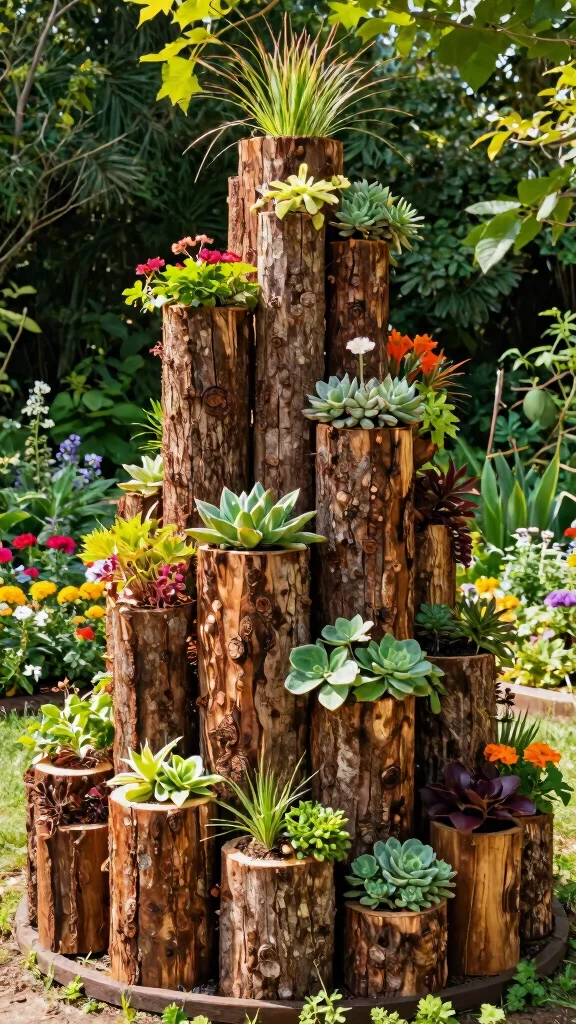
Stacked log planters create a striking vertical feature in your garden. Imagine a collection of logs, each filled with an array of plants ranging from vibrant succulents to cheerful flowering perennials. This eye-catching design not only adds elevation but also serves as a creative display of diverse flora, achieving a beautiful harmony in your outdoor space.
To bring this idea to life, choose logs of various heights and cut spaces in the tops for planting. Stack the logs securely, beginning with the largest at the bottom, and fill each planting area with rich soil and your favorite plants. Adding trailing vines can enhance the visual appeal, creating a lush cascading effect.
Consider these suggestions:
– Pair taller logs with broader plants for balance.
– Install vibrant flowers in the topmost sections for a pop of color.
– Use trailing plants to soften the edges and add depth.
This design not only maximizes your garden space but also captivates guests with its unique charm and visual intrigue.
Stacked Log Planter Tower
Editor’s Choice

Grenebo Gardening Tools 9-Piece Heavy Duty Garden Hand Tools with Fashio…


Miracle-Gro Moisture Control Potting Mix – Plant Soil For Container Plan…

3×1.8x1ft Raised Garden Bed Kit for Outdoors, Rustproof PP Raised Plante…
2. Log Planter Benches

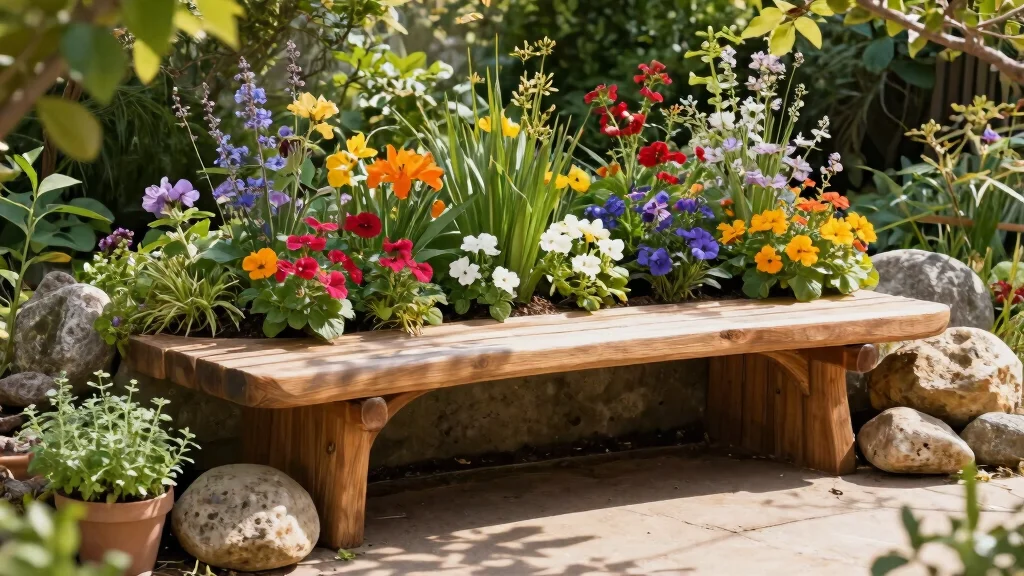
Log planter benches blend functionality and nature beautifully. Picture a sturdy bench, flanked by planters overflowing with colorful flowers and fragrant herbs. This inviting setup not only provides a cozy seating area but also enhances the overall aesthetic of your garden, making it a perfect spot for relaxation.
To create your log planter bench, find a solid log for the seat and cut additional logs for the planters. Opt for natural finishes to preserve the rustic feel, and attach planter boxes to either end, ensuring they have sufficient depth for your chosen plants.
Ideas for your planters:
– Use aromatic herbs like basil and mint for a sensory experience.
– Incorporate seasonal blooms for year-round color.
– Add cascading plants for a dynamic visual effect.
This design invites you to unwind in your garden while bringing a touch of nature close to your seating area.
Log Planter Benches
Editor’s Choice

KAKURI Japanese Woodworking Hand Tool Set for Beginner 7 Pcs (Japanese P…

Tried & True Original Wood Finish, 8 oz. – Linseed Oil & Beeswax Blend, …

DIY Bench Ends Kit – Build Your Own Outdoor or Patio Bench – Fits St…
3. Log Planter Pathway
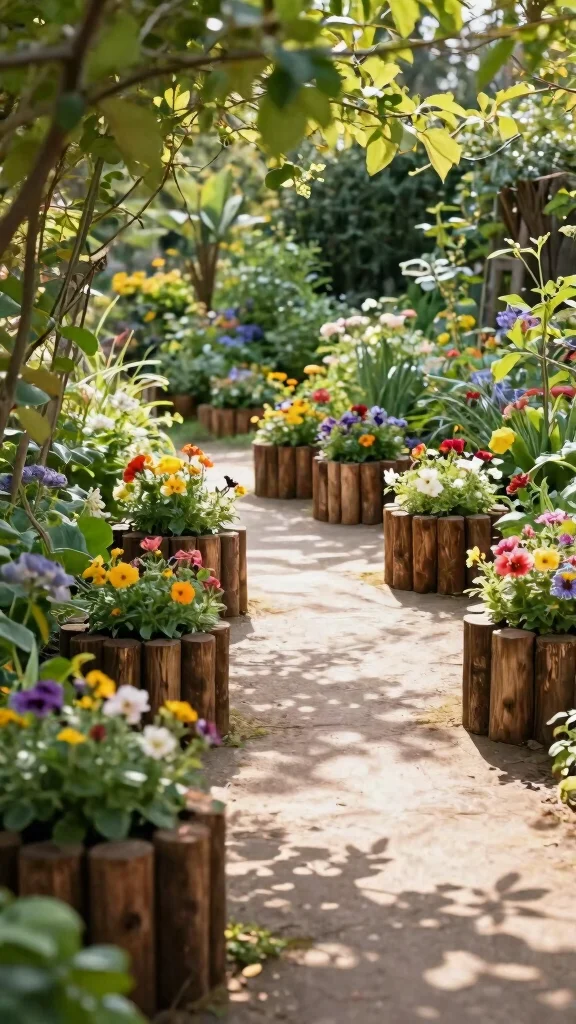
Craft a charming walkway using small logs as planters along your garden path. This delightful idea adds a rustic touch, where each log bursts with blooms or fresh herbs, guiding visitors through a lush landscape. The natural border enhances the path’s appeal, inviting exploration.
Select small, uniform logs and hollow them out to create planting spaces. Arrange them along your chosen pathway, securing them with soil, and fill with a variety of plants that thrive in your local climate.
Benefits of this approach:
– Foster a diverse plant environment along the path.
– Create an enchanting, cohesive aesthetic throughout your garden.
– Offer a sensory journey as you stroll through.
This pathway not only directs guests through your garden but also enriches the scenery with vibrant life and color.
A simple walk through a log planter pathway makes every stroll feel like a mini adventure; hollowed logs turn a fence line into a flourishing border you can grow with herbs and blooms. Keep them uniform for a tidy look, and you’ll guide guests along your garden with effortless charm.
Log Planter Pathway
Editor’s Choice

POWERTEC 71827 Carbide Tipped Woodturning Tool 3 Piece Set with Straight…

Bonsai Starter Kit – Gardening Birthday Gifts for Women & Men – Bonsai T…

Espoma Organic Vegetable & Flower Garden Soil Natural and Organic in Gro…
4. Hanging Log Planter
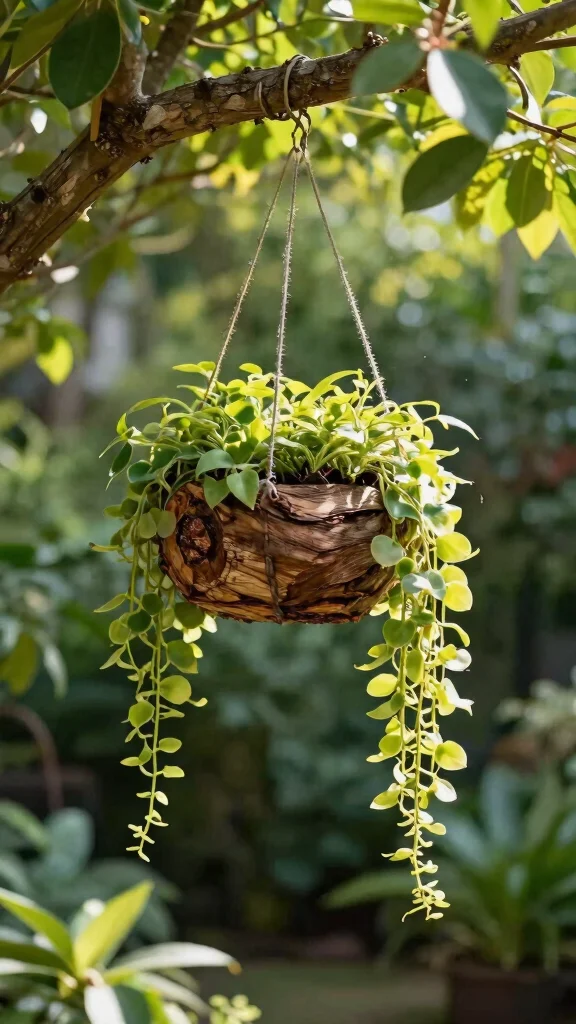
Hanging log planters add a whimsical touch to your garden design. Imagine logs suspended from tree branches, each filled with trailing plants or colorful blooms. This innovative approach not only saves ground space but also introduces an unexpected element that captivates the eye.
To create hanging planters, start with hollowed logs and secure them with sturdy hooks or ropes. Select plants that drape gracefully over the sides, such as trailing ivy or string of pearls, creating a lovely cascading effect.
Advantages of this design:
– Maximize vertical space for a lush garden feel.
– Provide a unique perspective and focal point.
– Utilize natural materials for an organic look.
Hanging log planters can transform ordinary areas into enchanting garden highlights, enhancing the visual appeal of your outdoor space.
How To Choose The Right Log Planter Ideas
When selecting log planter ideas for your garden, consider various factors to ensure you pick the best designs for your needs. Below are key criteria to help you make an informed decision.
1. Size
Firstly, consider the size of your garden space. Measure the area where you plan to place the log planter. You want it to be a focal point without overwhelming the surrounding plants. A tall stacked log planter might work well in a spacious garden, while a smaller log planter bench could fit better in a compact area.
2. Material
Next, evaluate the type of wood you’ll be using. Reclaimed wood is a great option for rustic garden decor. However, ensure the wood is free from chemicals that could leach into the soil. Cedar and redwood are durable choices that resist rot and insects, making them ideal for outdoor use.
3. Drainage Features
Proper drainage is essential to keep your plants healthy. Check if the log planter design includes drainage holes or a method to allow excess water to escape. For example, using logs with hollow centers can naturally allow drainage while also being aesthetically pleasing.
4. Style
Think about the style you want to achieve in your garden. A rustic log planter can bring a natural touch, while a more polished design can add sophistication. Consider how the planter will blend with other elements in your garden, including pathways and other decorations.
5. Ease of Maintenance
Select log planters that are easy to maintain. Some designs require more upkeep due to wood treatment needs or plant types. Opt for simpler designs if you prefer a low-maintenance garden. For instance, a log planter filled with succulents needs less care than one with flowering plants that require regular watering.
6. Budget
Lastly, establish your budget for the log planter project. Prices can vary based on size, wood type, and complexity of design. DIY log projects can save money, but purchasing pre-made options can save time. Look for affordable materials or recycled wood to keep costs down while achieving stunning results.
Pro Tip: Consider combining multiple smaller log planters to create an eye-catching display. This allows you to customize sizes and arrangements while being cost-effective. Experiment with different heights and plant types for a dynamic garden feature that draws attention!
Hanging Log Planter
Editor’s Choice

🌳 Large Hollow Log Planter. Outdoor Garden, Yard & Porch Pot. Tall Tr…

100+ English Ivy Seeds for Planting Outdoors,Climbing Vine Seeds,Ground …

Command 10 lb XL Heavyweight Hook, 2 Wall Hooks and 6 Strips, Damage-Fre…
5. Log Planter with a Water Feature

Integrating logs with water features creates a serene oasis in your garden. Envision a large log acting as both a planter and a water trough, where vibrant flowers thrive against a soothing backdrop of flowing water. This design attracts wildlife and fosters a tranquil atmosphere, perfect for relaxation.
To construct this feature, hollow out a sizable log and place it in your garden. If desired, incorporate a small water pump to circulate the water. Surround the planter with moisture-loving plants for an additional splash of color.
Key considerations:
– Ensure waterproofing for durability.
– Choose plants like ferns or water lilies that thrive in moist soil.
– Enjoy the calming sounds of water as a natural relaxation aid.
This design not only enhances visual beauty but also nurtures a vibrant ecosystem within your garden.
📹 Related Video: How To Build A Water Feature & Planter Combo
You might also like
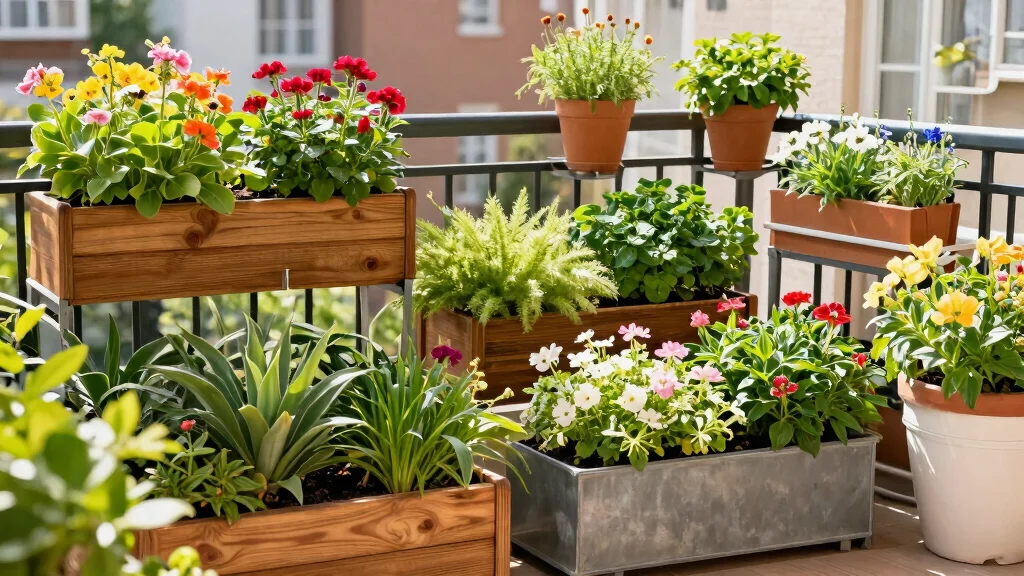
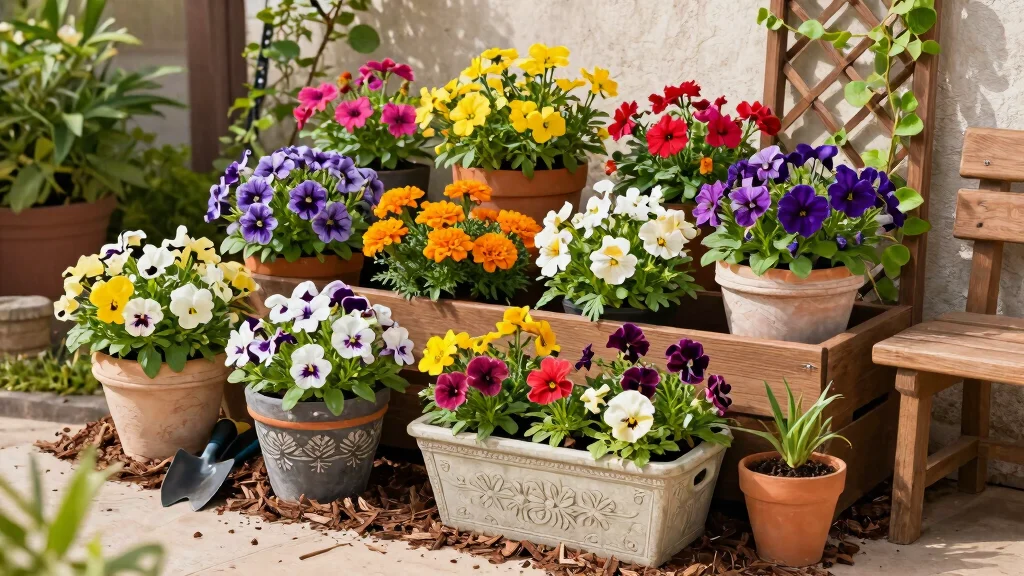
Log Planter with a Water Feature
Editor’s Choice

3 Pcs Driftwood Stump Log Concrete Planter Driftwood Planter Succulent P…

Aquastrong Sump Pump 1 HP 4500 GPH Submersible Water Pump Thermoplastic …
6. Log Planter Boxes for Vegetables

Log planter boxes offer a rustic solution for growing vegetables in your garden. These boxes elevate your plants, making them easier to tend while adding charm to your outdoor space. Picture rows of logs filled with vibrant tomatoes, peppers, and herbs, creating a productive yet beautiful garden.
Select wide logs that can accommodate your vegetables, cut them into sections, and hollow them out for planting. Position the logs in a sunny location, fill them with nutrient-rich soil, and sow your seeds or seedlings.
Helpful tips:
– Use organic mulch for moisture retention and soil health.
– Opt for companion planting to boost growth and yields.
– Regularly inspect for pests to maintain a healthy garden.
This method combines the benefits of raised beds with the rustic charm of logs, making it an effective and appealing gardening solution.
Log Planter Boxes for Vegetables
Editor’s Choice

Yaheetech 43.5″ L×16″ W×14″ H Wooden Raised Garden Bed, Horticul…

Garden Tools Set, 3 Pack Heavy Duty Gardening Tools Set Include Garden S…

Burpee, 9 Quarts | Premium Organic Potting Natural Soil Mix Food Ideal f…
7. Terraced Log Planters
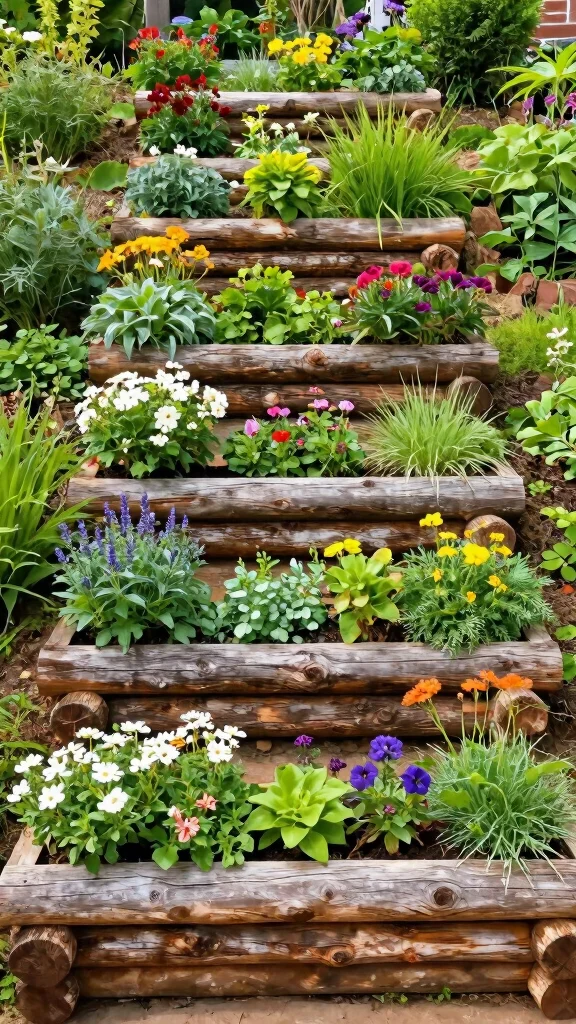
Terraced log planters elevate your gardening experience by creating a tiered design that maximizes planting space while adding visual interest. These planters transform sloped gardens into stunning displays of cascading flowers or herbs, enhancing the overall landscape.
To create this effect, cut logs into varying lengths and arrange them in a stepped pattern. Secure each log with soil, and select a mix of plants suited to thrive at each level, placing taller varieties at the back and shorter ones in front.
Benefits of this setup:
– Optimize vertical space in compact gardens.
– Create eye-catching arrangements that draw attention.
– Simplify maintenance with an organized structure.
Terraced log planters offer a fantastic way to create a lush, layered garden while respecting the natural contours of your yard.
Fun fact: terraced log planters can add up to 40% more usable planting space on a slope. Start with cut logs, stack them in a tiered pattern—these log planter ideas in action—then fill with a mix of sun and shade lovers for cascading blooms that boost curb appeal.
Terraced Log Planters
Editor’s Choice

PAG Planter Terrariums Kit Desktop Hydroponics Air Plant Holder with 4 B…
8. Log Succulent Planters
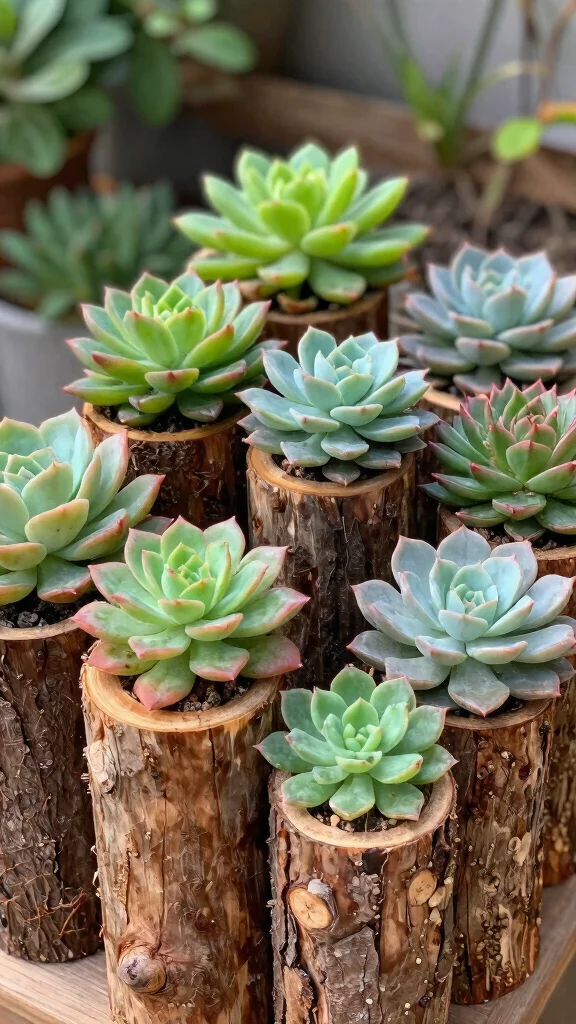
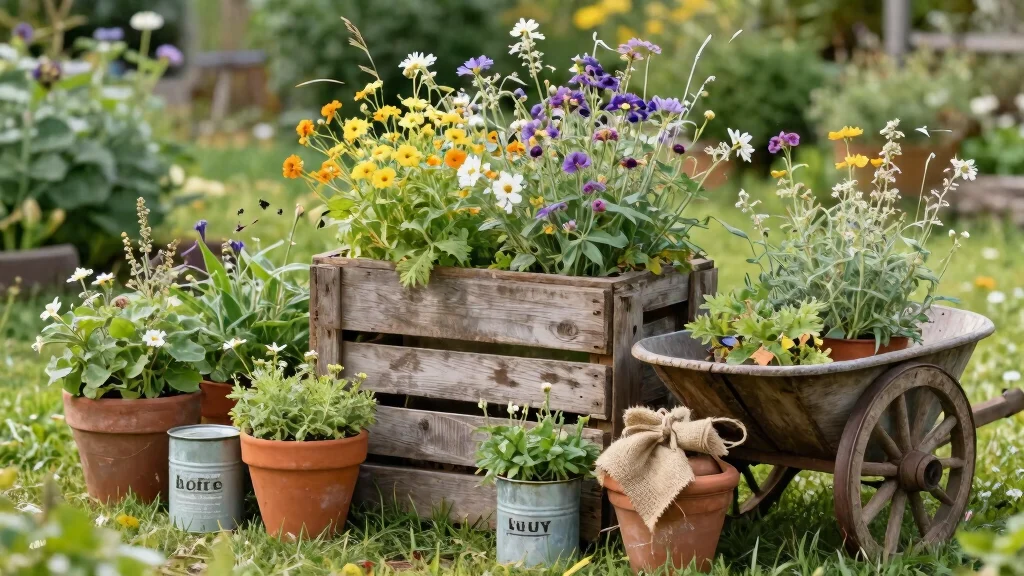
Log succulent planters are a stylish choice for adding greenery to your space. These unique wooden containers perfectly showcase the vibrant colors and diverse shapes of succulents, creating an eye-catching display that requires minimal upkeep.
To craft succulent log planters, cut logs into smaller sections and hollow them out. Begin with drainage stones at the bottom, then fill with a well-draining soil mix designed for succulents. Select a variety of succulents with different shapes and hues for a dynamic look.
Care instructions:
– Water minimally, allowing soil to dry between waterings.
– Position planters in a sunny location for optimal growth.
– Rotate planters for even sunlight exposure.
This combination not only looks stylish but also promotes water conservation, aligning with sustainable gardening practices.
You Might Also Like
Log Succulent Planters
Editor’s Choice

Back to the Roots 100% Organic Succulent & Cacti Mix (6 Quart) | Made in…

8 Inch Draw Knife for Woodworking – Multi-Purpose Debarking Tool, Spoke …

Pulovin 2.5 lbs Drainage Rocks for Potted Plants, 1/5 Inch Small Pebbles…
9. Log Planters for Fairy Gardens
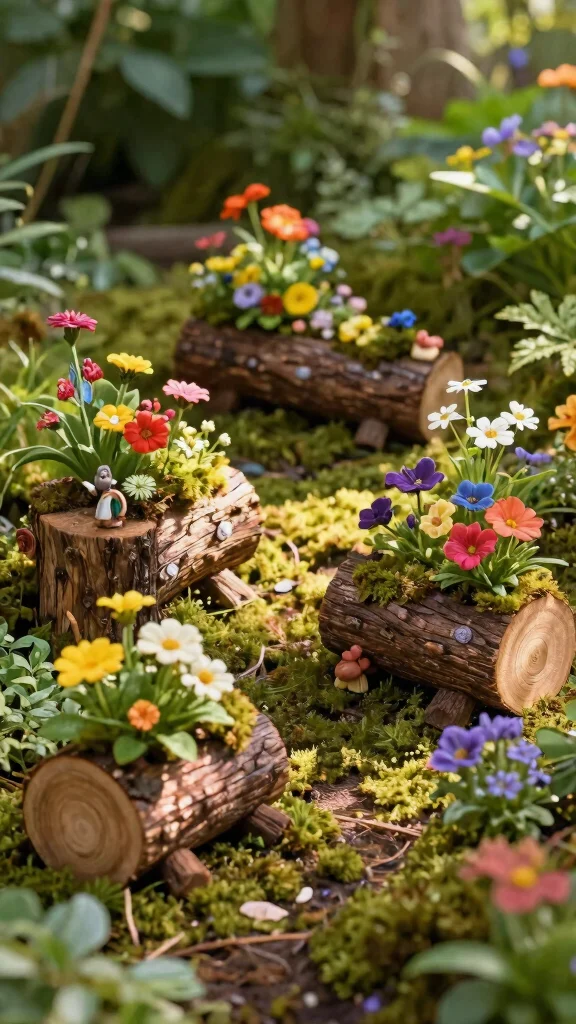
Small log planters make enchanting fairy gardens that spark imagination. These logs serve as whimsical bases for miniature scenes filled with tiny fairies, charming plants, and decorative stones, creating a delightful feature in your garden.
Choose small, uniquely shaped logs and hollow them out. Add soil and plant colorful flowers, moss, or even tiny fairy lights to enhance the magic. Decorate with figurines and stones to bring your fairy garden to life.
Design suggestions:
– Get creative with plant selection for a vibrant landscape.
– Incorporate miniature furniture or accessories for added charm.
– Position the fairy garden where visitors can easily admire it.
Creating fairy gardens encourages creativity and offers a fun project for all ages while promoting eco-friendly gardening practices.
Fun fact: a 4–6 inch log planter can hold just enough soil for tiny fairy gardens and still be mobile for seasonal changes. These log planter ideas let you hollow logs, fill with soil, and plant tiny flowers, moss, or fairy lights for instant whimsy.
Log Planters for Fairy Gardens
Editor’s Choice

Guichifun Fairy Statue Collection Home Decoration – Leaf Angel Girls Res…

String Lights, 8 Light Modes 6ft 20 LED Rose Flower Garlands for Indoor …

3 Pack Moss Pet Glass Terrarium Bottle Kit with Cork Lid, 3 Moss Amigos,…
10. Log Planters with Trellises
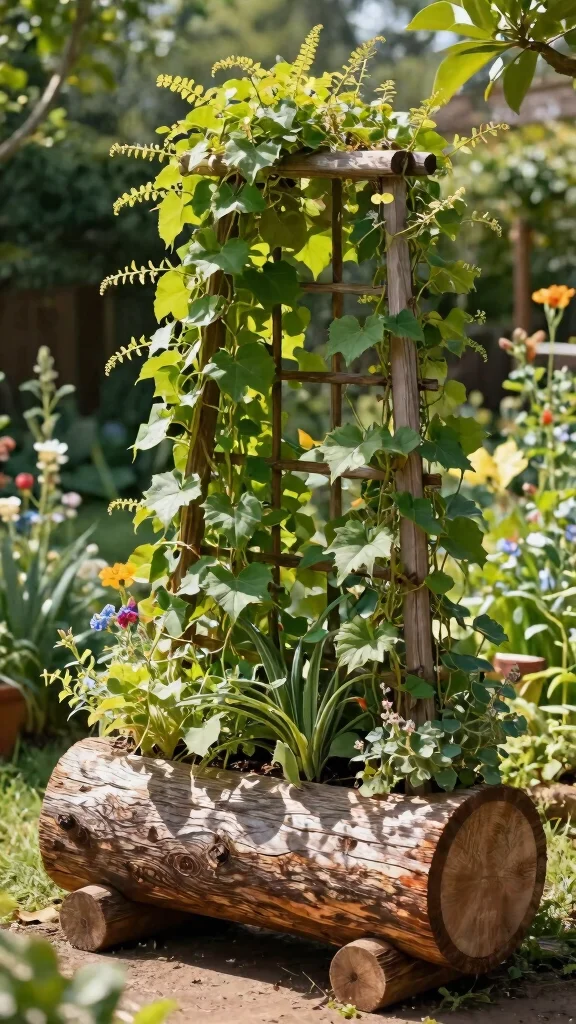
Log planters with trellises create stunning vertical gardens that save space while allowing climbing plants to thrive. This design beautifully accommodates vines like peas and beans, creating a lush, textured display.
Start with a sturdy log planter and hollow it out for planting. Secure a trellis to the back of the planter, ensuring stability. Plant climbing varieties at the base, allowing them to wind their way up the trellis as they grow.
Things to keep in mind:
– Ensure the trellis is tall enough for your plants.
– Regularly monitor growth and assist plants as needed.
– Use companion plants in the log for a fuller appearance.
This design not only expands your planting area but also adds captivating vertical interest to your garden.
Log Planters with Trellises
Editor’s Choice

Climbing Vine Seeds for Planting – Colorful Mix of Climbing Flower See…

Sunnydaze 35-Inch Polyresin Rustic Log Planter with 3 Drainage Holes – 5…

RUBFAC 7.8ft Garden Arch Trellis for Climbing Plants Outdoor, Metal Arch…
Conclusion

Incorporating log planters into your garden design can create stunning statements that are both sustainable and visually appealing. Each idea presented offers a unique opportunity to turn old wood into beautiful, practical features of your outdoor space.
Whether you choose a simple hanging planter or an elaborate terraced arrangement, these designs emphasize a commitment to eco-friendly practices while showcasing your love for gardening. Explore your creativity and start your DIY log projects today!
Note: We aim to provide accurate product links, but some may occasionally expire or become unavailable. If this happens, please search directly on Amazon for the product or a suitable alternative.
This post contains Amazon affiliate links, meaning we may earn a small commission if you purchase through our links, at no extra cost to you.
Frequently Asked Questions
Question: What are the practical benefits of using log planter ideas in a sustainable garden?
Using log planter ideas lets you repurpose fallen branches and scraps into charming, durable containers, turning waste into feature-worthy planters. It’s a simple way to add natural garden features and embrace upcycled gardening ideas without buying new pots. For best results, choose wood that’s untreated or safe for outdoors, cut ends with a sharp saw and seal them to slow moisture ingress, and provide drainage by drilling holes or elevating the planters off the ground. Pick sizes and shapes that fit your space, from tall vertical planters to low, sprawling beds, to create rustic garden decor that still works as wood planter designs in your garden. This approach is budget-friendly, customizable, and perfect for DIY log projects in any garden.
Question: How can I turn old wood into stunning wood planter designs for my garden?
Turn old wood into stunning wood planter designs with a simple workflow: scout for driftwood, pallets, or fallen branches; sketch a couple of designs that fit your space; cut, drill drainage, and assemble with screws or sturdy rope. Line interiors with landscape fabric, add a soil barrier, then seal with exterior-grade finish. For safety, avoid pressure-treated lumber for edible plants. Embrace DIY log projects and upcycled gardening ideas by adding wheels for mobility or stacking planters for a mini-terrace. With a little patience, you’ll have a striking focal point that doubles as a practical growing space.
Question: What maintenance tips help log planters last longer and keep plants thriving?
To keep log planters looking good and lasting longer, choose rot-resistant woods like cedar or redwood or treat the wood properly; seal exterior surfaces and re-seal as needed. Ensure good drainage by drilling drainage holes and using a liner so soil doesn’t soak into the wood. Elevate planters off damp ground with bricks or pavers to reduce moisture contact. Refresh soil every year or two and inspect for cracks or soft spots after heavy rains. With these steps, your natural garden features stay sturdy, and your rustic garden decor continues to shine.
Question: Are log planters suitable for edible plants, and how can I keep them safe in a rustic garden decor setting?
Yes—log planters can happily hold herbs and even vegetables, as long as you choose safe materials and provide proper protection. Use untreated or rot-resistant wood and line the interior with landscape fabric or a plastic liner to prevent soil contact with wood. Fill with good-quality potting mix, ensure sun exposure for the crops you choose, and water mindfully to avoid wood rot. This approach blends practical upcycled gardening ideas with rustic garden decor for a natural, edible-friendly display.
Question: What are beginner-friendly steps to start with log planter ideas in a small space or balcony?
Getting started is easier than you think. Start with one beginner-friendly project to learn the basics of DIY log projects. Measure your space, pick a simple design, gather wood (think cedar or pallets that are safe for outdoor use), and assemble with basic tools. Drill drainage, line, seal, and fill with soil before planting your first crop or herbs. Place the planter where it gets the right light, then add more log planter ideas to build a charming focal point and trail of wood planter designs across your garden.
Related Topics
log planter ideas
rustic garden decor
wood planter designs
DIY log projects
upcycled gardening
natural garden features
sustainable gardening
easy gardening projects
garden focal points
eco-friendly decor
beginner gardening
seasonal gardening